
Common signs your dog is understimulated include destructive chewing, frequent barking, repeated bids for attention, difficulty settling, and overexcited play. Look at when these behaviors happen and what your dog’s day includes. Stress, discomfort, and unmet basic needs can produce similar signs.
- Watch for recurring patterns, especially during long stretches with little to do.
- Give your dog opportunities to sniff, chew, play, and learn.
- Match activities to their comfort level and leave time for rest.
- Seek help for sudden changes or distress when your dog is alone.
At Boston’s Best Dog Walkers, we help busy owners keep regular outings in their dog’s day. Our solo walks and group walks offer different options depending on how your dog handles other dogs and their surroundings. Share their usual routine with our team so we can discuss a suitable fit.
Keep reading for seven common signs, what to look for, and simple ways to add more engagement to your dog’s day.
1. Chewing Household Items or Digging for Something to Do
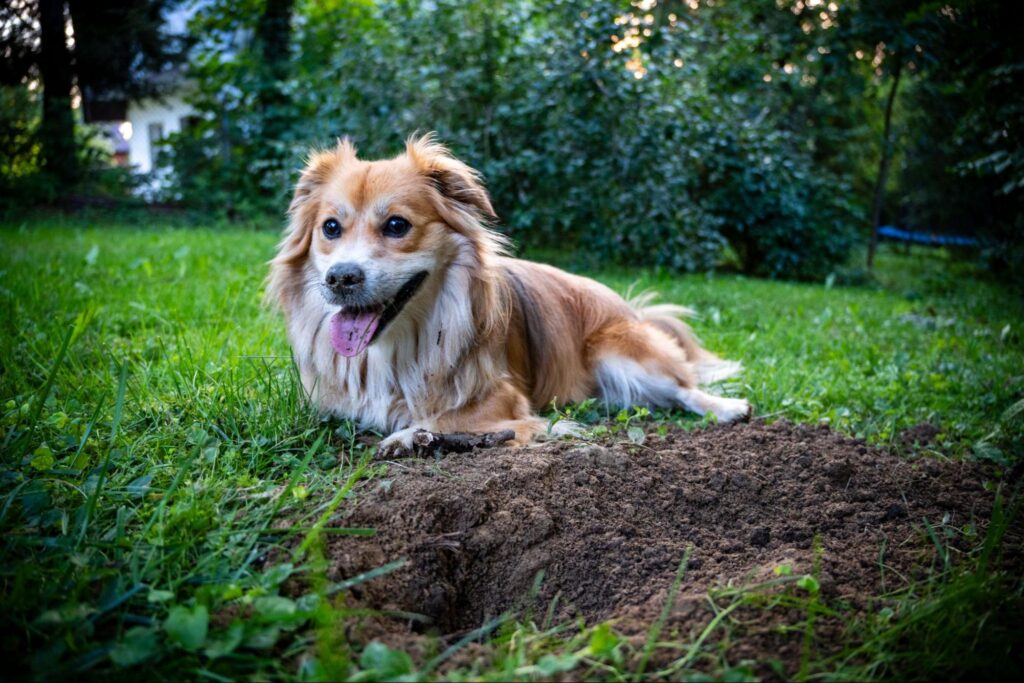
Your dog keeps taking shoes, shredding cushions, or digging in the yard, particularly during stretches with little activity. Chewing and digging give them something to do, so look at whether they have appropriate outlets before these moments happen.
Start by putting tempting items out of reach and offering a suitable chew toy. Supervise new toys, redirect chewing calmly, and make room for regular play. For a dog who enjoys digging, a designated digging area can provide an outlet while protecting the rest of the yard.
PDSA’s guide to chewing explains that boredom is one possible cause, alongside teething, distress, and medical issues. If the behavior starts suddenly or your dog swallows what they chew, speak with your vet.
2. Repeatedly Pawing, Nudging, or Bringing You Toys
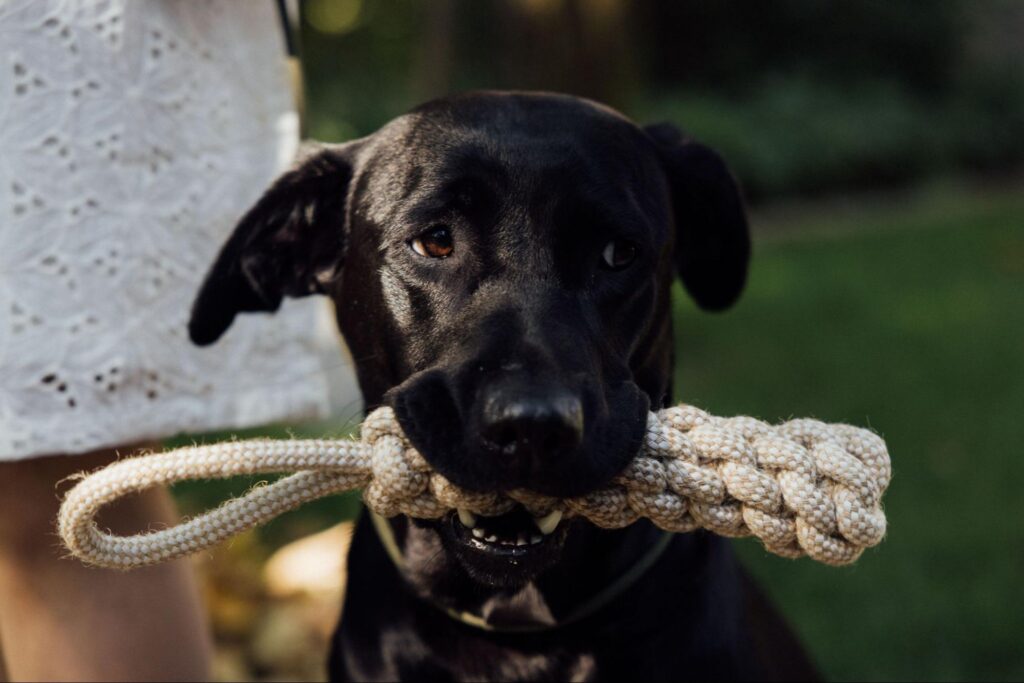
A toy dropped at your feet is an invitation. When your dog repeatedly nudges your hand, paws at your chair, or interrupts you throughout the afternoon, consider how much interaction they have had that day.
Check the basics first: a bathroom break, water, food, and a comfortable place to rest. Then look for a gap in their routine. A dog who has had a quick morning outing followed by hours alone may benefit from a planned walk or play break.
Try offering attention before the interruptions begin. A short session practicing a familiar cue or playing together gives you a manageable way to connect. Reward calm behavior too, so your dog has opportunities to receive attention while settled.
3. Barking Frequently During Quiet Stretches at Home
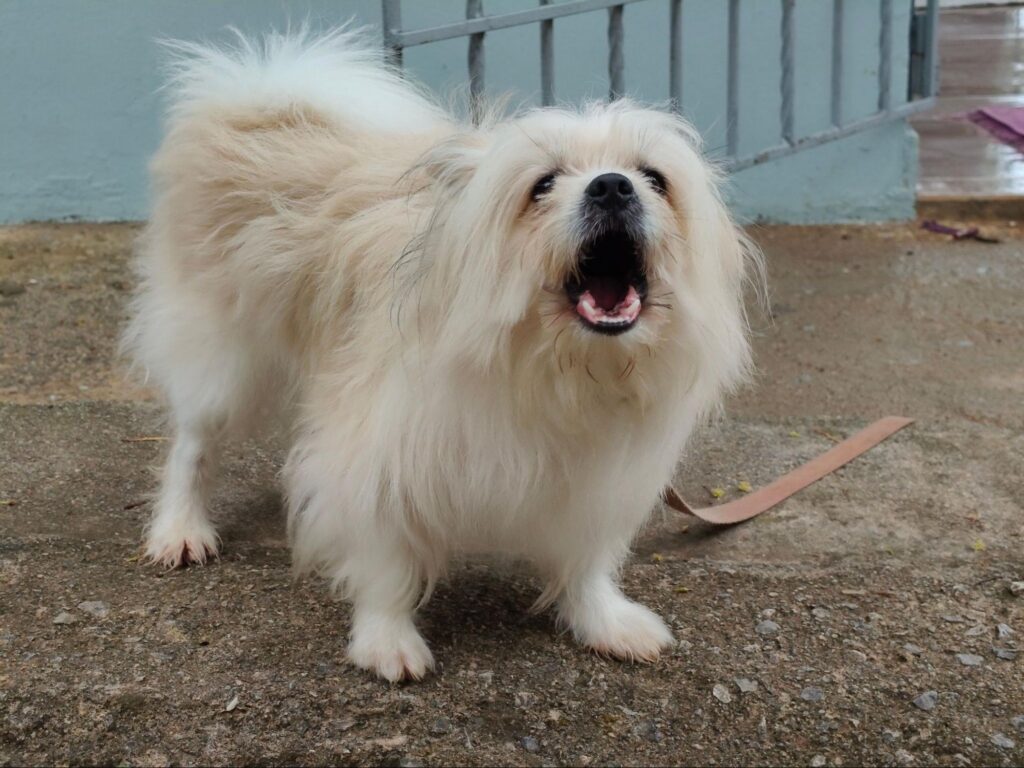
Your dog barks repeatedly while you work or through a long afternoon at home. Notice what happens just before it starts. Are they watching people through a window, responding to hallway noises, or directing the barking toward you?
That pattern helps you choose a response. For a dog reacting to passersby, moving their resting spot away from the window may help. If barking follows a long stretch without activity, try a planned outing or an easy food puzzle before that part of the day.
Barking that happens mainly when you leave needs a closer look. PDSA’s guidance on separation-related problems explains that vocalizing and destruction can accompany distress. A recording can help you show your vet what happens while you are away.
4. Struggling to Settle Between Activities
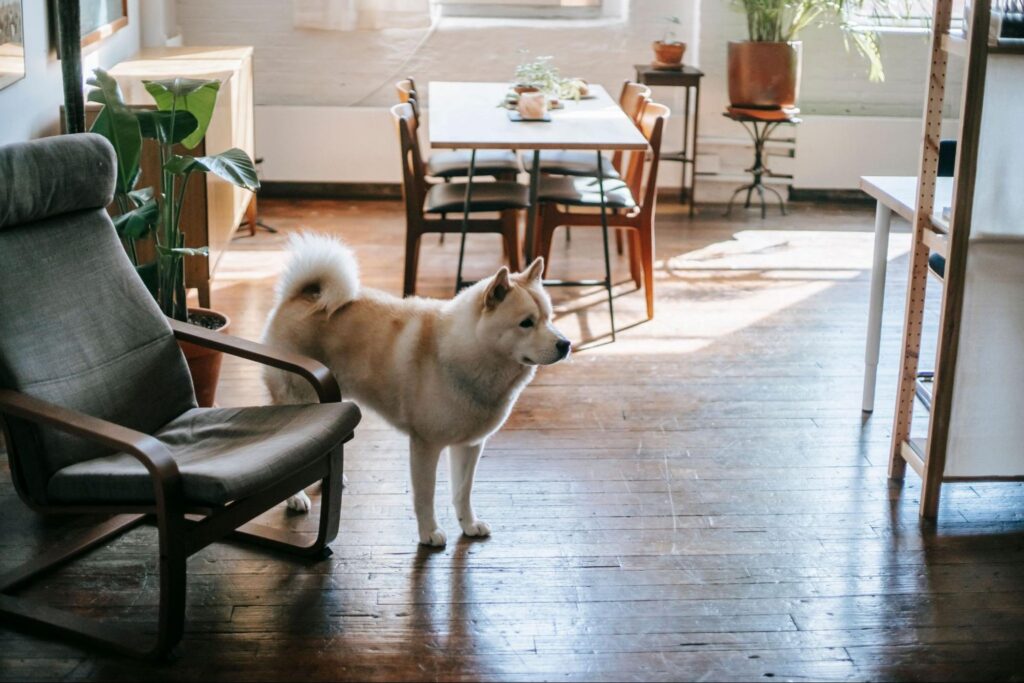
Your dog wanders from room to room, repeatedly gets up from their bed, or keeps searching for something to do. Look at the whole day, including bathroom opportunities, activity, interaction, and uninterrupted rest.
A walk can include both movement and exploration. If your outings are usually brisk, allow time to sniff in a comfortable setting. You can also try a simple search game at home, such as letting your dog find a few pieces of their usual food.
Watch whether they can relax afterward. Adding more activity each time they become restless can overlook tiredness, stress, or discomfort. Persistent pacing, nighttime restlessness, or a new inability to get comfortable deserves a conversation with your vet.
5. Turning Play or Greetings Into Hard-to-Manage Excitement
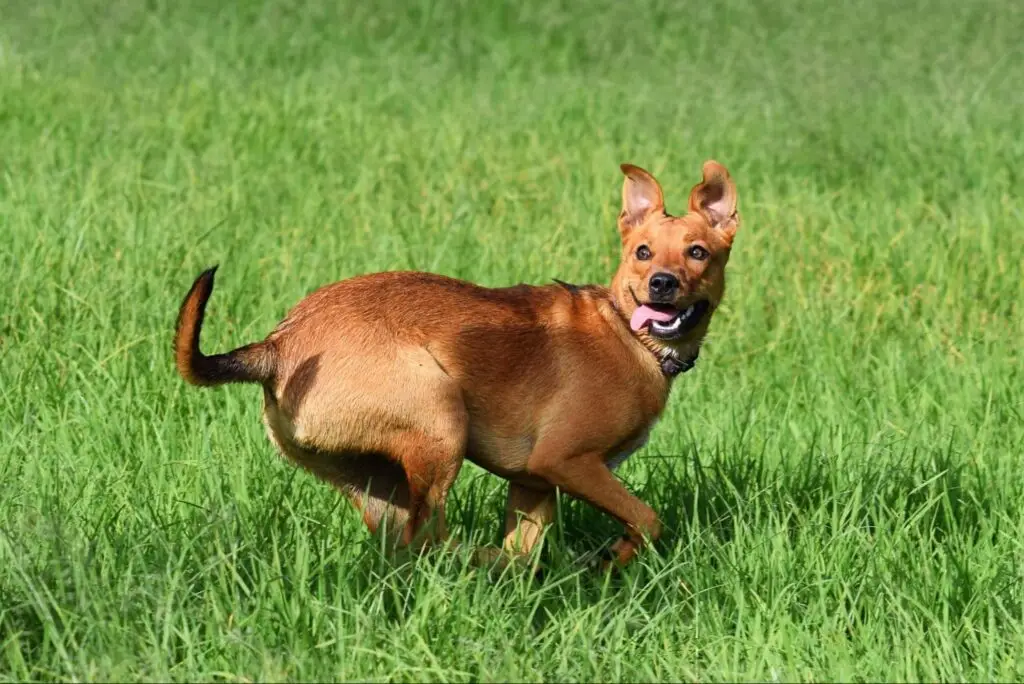
After a quiet day, your dog launches into rough play, jumps repeatedly, or grabs at clothing when someone comes home. Occasional bursts of excitement are normal. A recurring pattern is a reason to review when they get chances to move and interact.
Try spreading manageable activities through the day. Keep play sessions comfortable, pause before they become too intense, and reward a familiar alternative such as keeping four paws on the floor during a greeting.
Pay attention to the setting too. If your dog becomes tense or reactive around other dogs, choose more space and a quieter outing. A solo walk may suit them better than a group setting. Persistent lunging, fear, or aggression calls for qualified behavior support.
6. Finding Their Own Entertainment Around the House
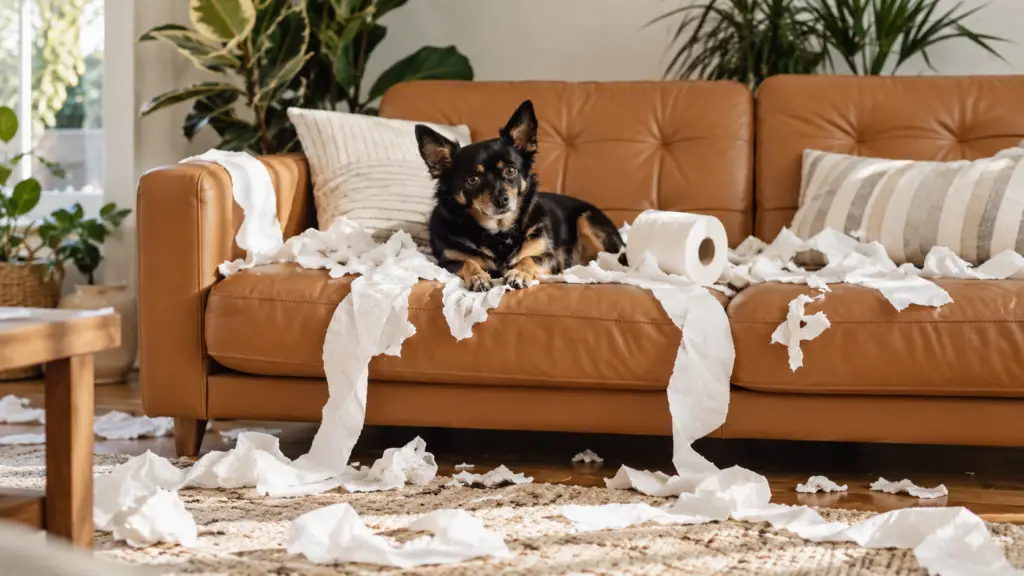
Your dog raids the laundry basket, noses through the trash, or carries household objects away. Notice whether this happens during long stretches without much to do. Investigating these items can become an activity in itself, even when your dog leaves them intact.
Keep laundry, food waste, and unsafe objects out of reach. Offer an appropriate alternative before the usual scavenging starts, such as a supervised search game with a few pieces of their regular food or a toy they enjoy exploring.
Food smells, easy access, and the attention they get afterward can also keep this habit going. Look at both their daily activities and what makes the household items appealing.
7. Repeatedly Asking to Go Outside to Explore or Play
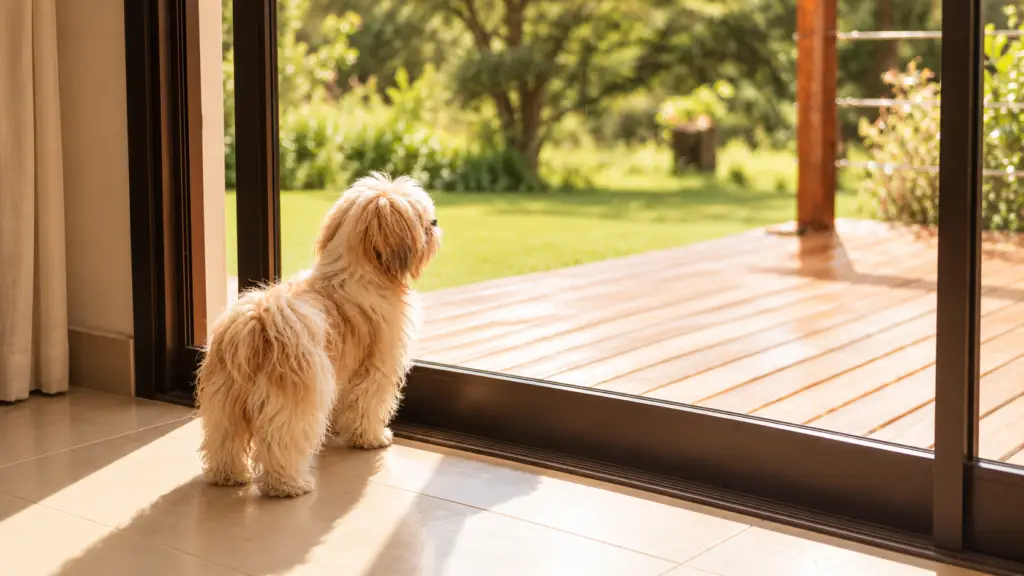
Your dog asks to go out soon after a bathroom break, then spends the time exploring the yard or trying to start a game. If this becomes a pattern, consider whether they have enough opportunities for outdoor activity and interaction.
Try planning an outing that includes time to sniff or a short play session at a comfortable pace. A predictable opportunity to explore gives them something enjoyable in the day, especially when their other outdoor trips are brief bathroom breaks.
Keep paying attention to what happens outside. Increased urgency, straining, or new accidents calls for a vet check. Track whether they are asking to explore, respond to something outdoors, or relieve themselves.
Make One Useful Change to Their Daily Routine
Choose a change that fits the pattern you noticed. Mental engagement can come from sniffing, searching for food, practicing a cue, or playing with you. Familiar routes can still offer interesting smells; choose variety your dog enjoys.
- On walks: Allow sniffing stops and choose a pace and setting your dog handles comfortably.
- At mealtimes: Offer part of their usual food in an easy puzzle feeder or snuffle mat. Supervise and keep it simple enough for them to succeed.
- During the workday: Plan a bathroom, walking, or play break before a long stretch without interaction.
- Between activities: Provide a comfortable resting space and protect quiet time.
PDSA’s enrichment ideas include food toys and snuffle mats if you need an easy place to start. Note when the behavior happens and how your dog responds to the change. That gives you something specific to discuss if you need further help.
Find a Routine That Works for Your Dog
The most useful change fills a gap in your dog’s day. Start with an activity they enjoy, keep it manageable, and watch for comfortable engagement followed by rest.
Need help keeping regular walks in the schedule? Contact Boston’s Best Dog Walkers to discuss an option that fits your dog’s routine.