
Labrador Retrievers and Standard Poodles are good places to start when looking for a family hiking companion. Vizslas and German Shorthaired Pointers suit families with plenty of time for daily activity.
Here are the best breeds at-a-glance:
Breed | Family fit | Key commitment |
Labrador Retriever | Versatile, active households | Exercise and leash manners |
Standard Poodle | Active homes wanting less shedding | Grooming and mental engagement |
Vizsla | Very active, involved families | Daily exercise and companionship |
German Shorthaired Pointer | Outdoor-focused households | Substantial daily activity |
Australian Cattle Dog | Experienced homes, often older children | Training and herding management |
Border Collie | Families who enjoy skills work | Daily mental and physical activity |
Dalmatian | Active families committed to training | Exercise and everyday manners |
Rhodesian Ridgeback | Experienced handlers of large dogs | Managing strength and independence |
At Boston’s Best Dog Walkers, we know it can be hard to fit regular outings into a busy family schedule. Our solo walks, group walks, and Bark Bus hiking give you options for keeping outdoor time in your dog’s week. We can help you explore which service suits their routine and comfort around other dogs.
Keep reading to compare eight breeds, narrow your shortlist, and plan hikes your whole family can enjoy.
Labrador Retriever
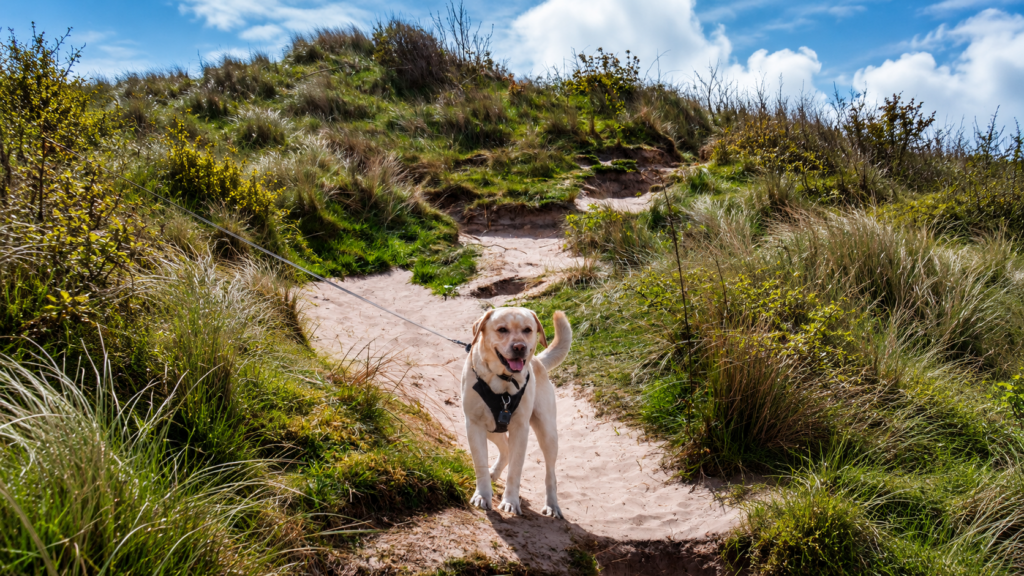
Best fit: Active families looking for a friendly companion for everyday walks and weekend hikes. Many Labs enjoy working with their people, giving you opportunities to practice trail manners. A young Lab’s enthusiasm can be a lot around small children, so teach calm greetings early.
Keep walks, play, and training in the weekday routine, then build up to longer hikes as your dog gets fitter. Expect shedding, work on pulling, and keep an eye on their weight.
Standard Poodle
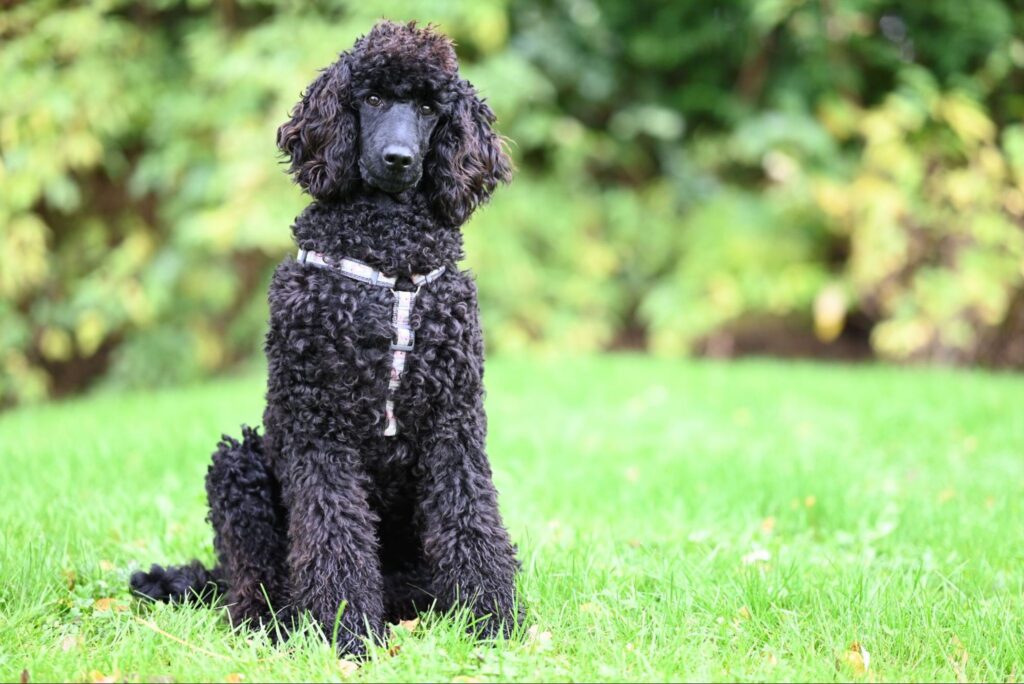
Best fit: Active families who want an athletic, trainable dog with less shedding. Standard Poodles can enjoy exploring trails with you, and many respond well to learning new skills along the way.
They still need walks, play, and things to work out between hikes. Budget for regular brushing and professional grooming, and check their coat for tangles and trail debris when you get home. Build up to longer outings gradually.
Vizsla
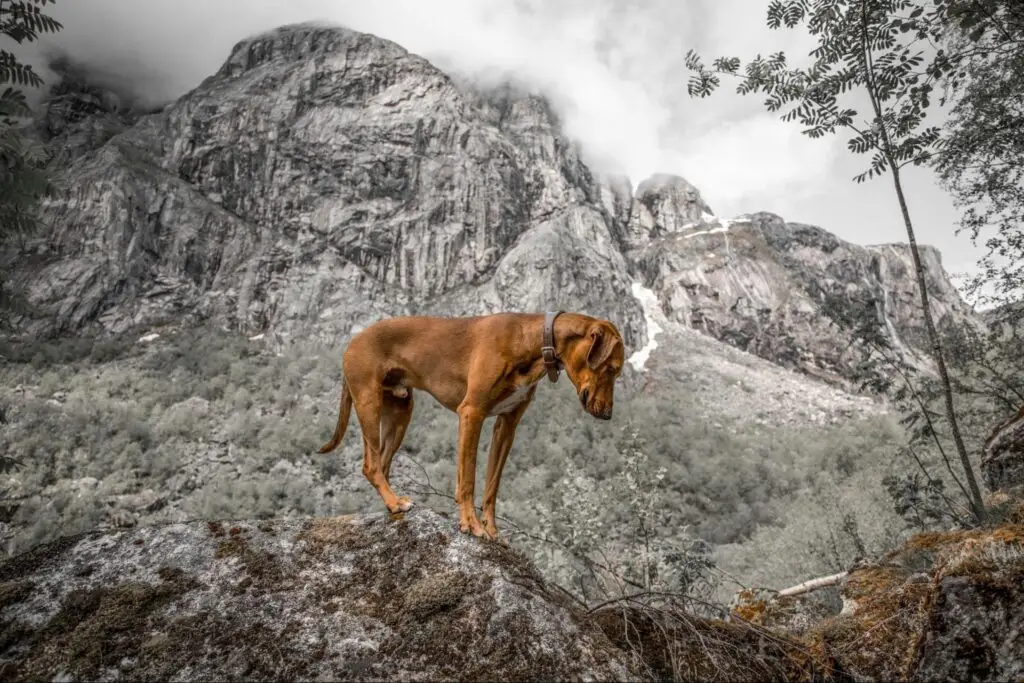
Best fit: Very active families who want a dog closely involved in daily life. Vizslas are affectionate sporting dogs with plenty of energy, so they can be rewarding companions when outdoor activity is already part of your routine.
Think about busy weekdays as well as hiking days. They need regular exercise, company, and training. Once mature, healthy, and conditioned, they may enjoy more demanding trails, but their short coat still leaves them vulnerable to overheating.
4. German Shorthaired Pointer
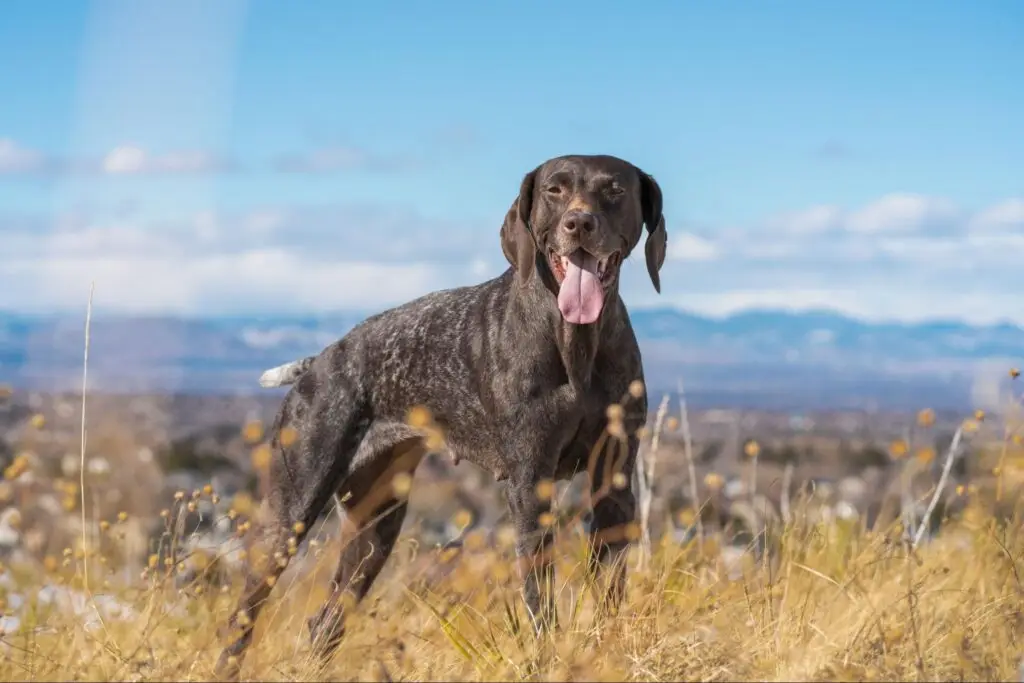
Best fit: Families who spend plenty of time outdoors and enjoy life with an energetic dog. A German Shorthaired Pointer can be a keen trail companion when you have time to meet their activity needs throughout the week.
Include training, play, and mentally engaging activities alongside exercise. Practice passing wildlife and walking without pulling before heading onto busier trails. An adult should take the leash when the dog is too strong for a child to handle comfortably. Build fitness before adding longer hikes.
5. Australian Cattle Dog
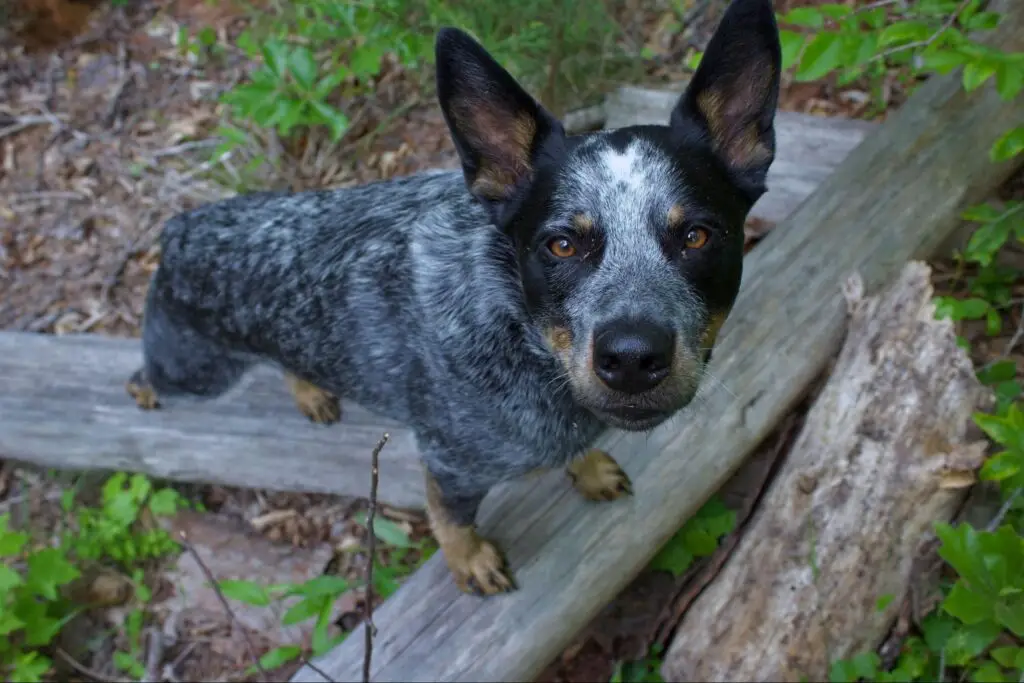
Best fit: Experienced, active families, often with older children, who enjoy training as much as hiking. Australian Cattle Dogs are clever working dogs that benefit from having things to learn and do.
Their herding instincts can include chasing or nipping at running children. Get to know how the dog handles people and other dogs, and make room for exercise, problem-solving games, and ongoing training. The AKC’s family-fit guidance explains these herding tendencies in more detail.
6. Border Collie
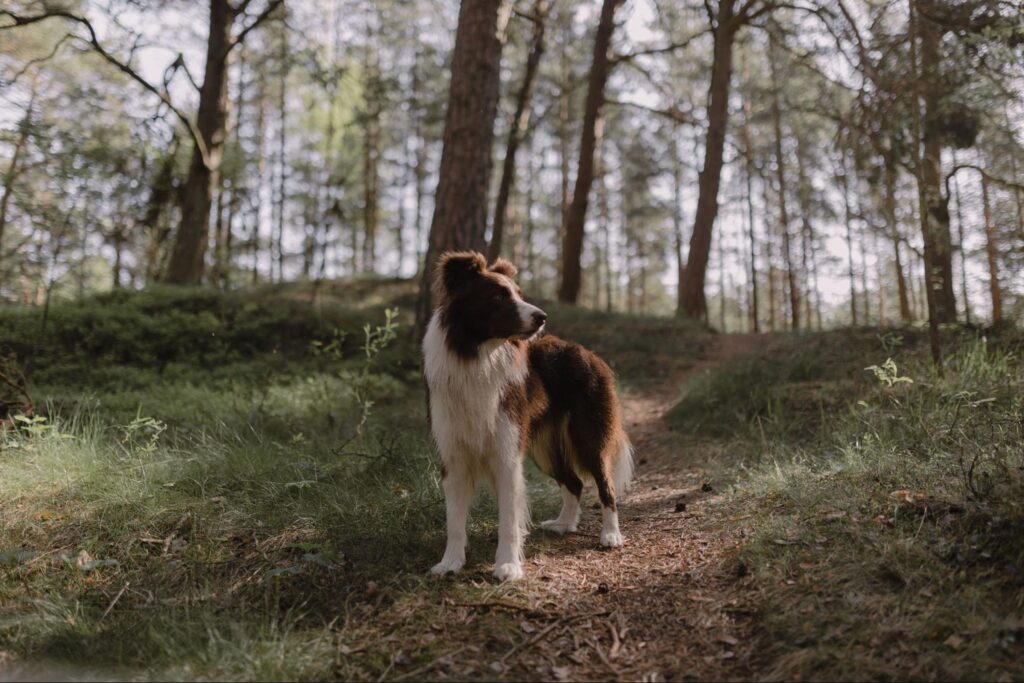
Best fit: Active, experienced families who already enjoy dog training or sports, often with older children. Border Collies are bright and energetic, and trail outings can give you chances to practice attention, calm passing, and rest breaks together.
They need plenty to do between adventures, including physical activity and mental challenges. Think carefully about their response to running children, bikes, and other movement. The AKC’s Border Collie guide explains how those herding tendencies can affect family life.
7. Dalmatian
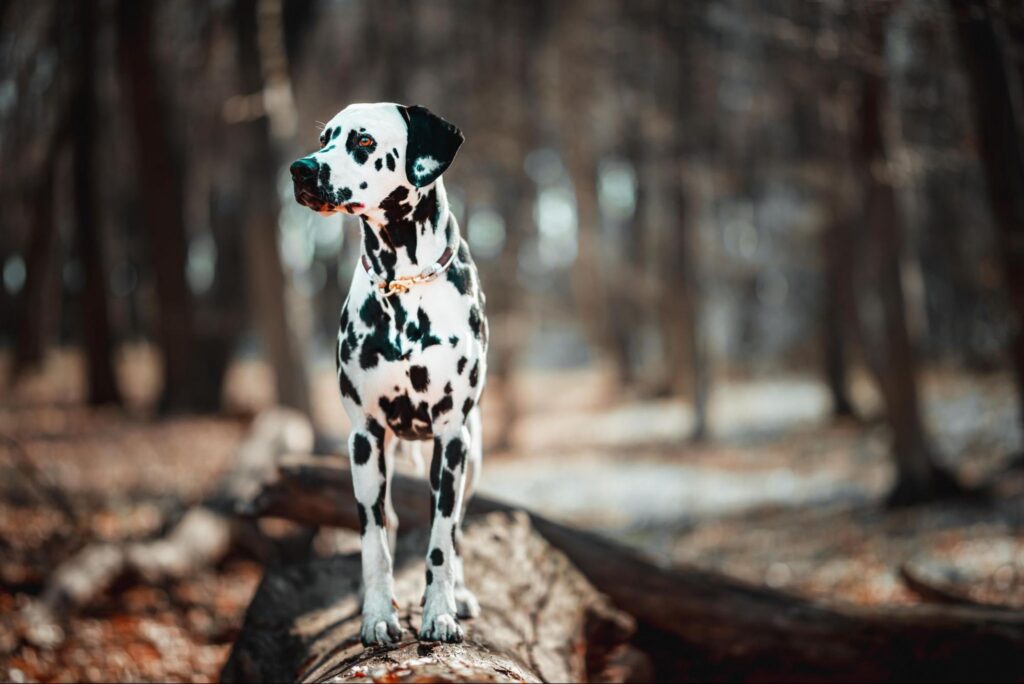
Best fit: Active families happy to spend time on exercise and training. Dalmatians have a history as carriage dogs, and many bring that energy to outdoor adventures with their people.
Get to know the individual dog’s temperament and health before deciding. Keep walks, interaction, and manners practice in the week, including around visitors and other trail users. Help them build fitness before expecting a long day on the trail.
8. Rhodesian Ridgeback
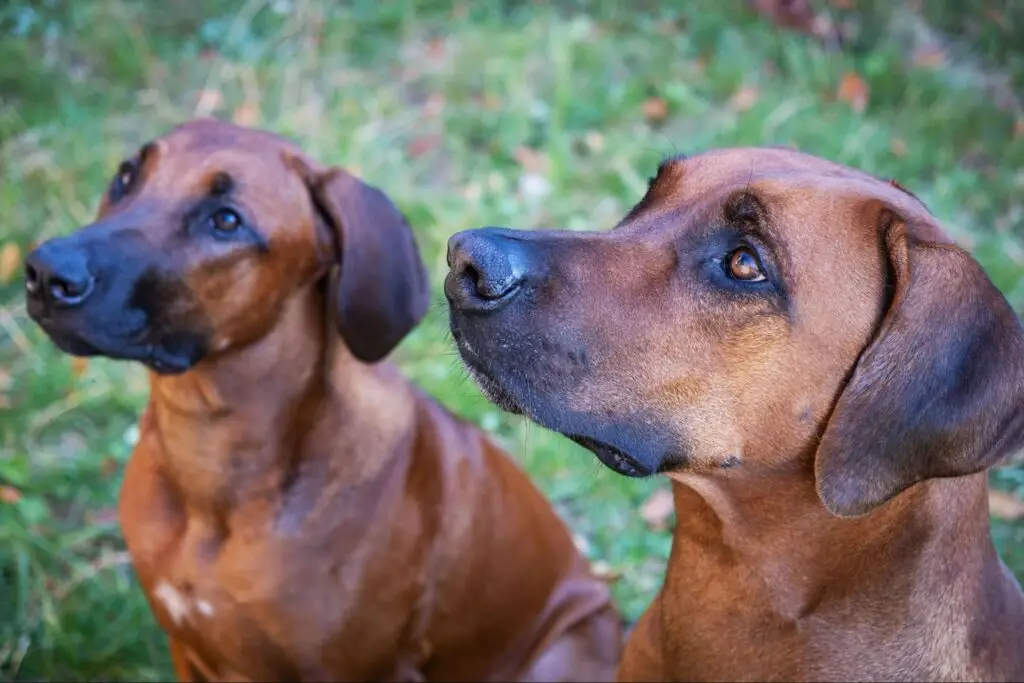
Best fit: Experienced families comfortable handling a large, powerful dog. A Rhodesian Ridgeback may enjoy steady trail outings, with the pace and distance matched to their fitness and interest.
Their strength and independence call for patient training and good leash skills. Practice around wildlife distractions and help them learn to pause calmly. Keep regular exercise in the week, and plan around the weather: a short coat still offers no protection from overheating.
Keep Outdoor Activity in Their Week
A busy week can make regular outdoor time harder to fit in. Boston’s Best Dog Walkers offers walking options and Bark Bus outings for dogs suited to the service. Tell us what your dog currently enjoys and share any advice from your vet, so we can discuss an option that fits.
Contact our team to find walking or hiking support that fits your dog and your family’s schedule.
Frequently Asked Questions
Which hiking breeds should families with young children consider first?
Labrador Retrievers and Standard Poodles are good places to start for active families. Spend time with the individual dog and look at their energy, strength, and comfort with children. Every dog needs supervision and training.
Are herding breeds a good choice for hiking families?
They can be, especially for active, experienced families who enjoy training. Australian Cattle Dogs and Border Collies may try to herd running children, so consider how those instincts fit everyday life in your home.
Can a mixed-breed dog be a good hiking companion?
Yes. Look at the dog’s health, fitness, temperament, and comfort on trails. An adult dog with a known history can give you a clearer idea of how they might fit into your family.
How far should a dog’s first hike be?
Start with a short, easy trail based on the walks your dog already enjoys. Leave enough time and energy to get back, and check how they feel afterward before making the next outing harder.
Which of these breeds can hike safely in hot weather?
All eight breeds can overheat. Check the heat, humidity, sun, and available shade, and plan around your dog’s health. Skip strenuous outings when conditions are too hot, even if your dog has a short coat.
Can regular walks help prepare a dog for hiking?
Yes. Walks help keep regular activity in the week and give you time to practice leash skills. Introduce uneven ground and hills gradually, and ask your vet about preparation if your dog has health or mobility concerns.