
Yes, you can overexercise a puppy. Games of chase, repeated jumping, and lively play sessions all add up. Think about your puppy’s whole day, including time to rest and how comfortably they move after activity.
A few things to keep in mind:
- Indoor play counts toward your puppy’s daily activity.
- Offer regular breaks, even when they seem eager to keep playing.
- Contact your vet about limping, stiffness, or unusual exhaustion.
- Make room for gentle exploring, short learning sessions, and plenty of sleep.
At Boston’s Best Dog Walkers, our solo walks offer one-on-one attention. When your puppy is ready for walks, tell us their age, what their day usually looks like, and any advice from your vet. We can talk through the available options together.
Keep reading to learn how activities add up, spot signs your puppy needs a break, and plan a day with time for play and rest.
5 Ways Puppies Can Overdo Exercise
A short walk might come after a busy morning of chasing toys or playing with the children. When planning your puppy’s activity, consider everything they’ve been doing and how much rest they’ve had.
1. Repeated Fetch or Chasing Games
An enthusiastic puppy may chase every toy you throw. Each round brings another burst of running, turning, and stopping, so keep games brief and pause regularly. Give your puppy time to wander, sniff, or settle down.
2. Rough Play That Keeps Going
Playing with another dog can involve plenty of chasing and tumbling. Watch for pauses and whether both dogs seem happy to join in again. If your puppy tries to move away, gets knocked over, or looks overwhelmed, step in and give them a quiet break.
3. Repeated Jumping and Slipping
Leaping for toys or skidding around the kitchen can be demanding for a growing puppy. Keep games close to the ground and choose a surface where they can move comfortably. VCA’s puppy exercise guidance recommends avoiding strenuous activities while bones and joints are developing.
4. Several Active Sessions With Little Rest
A quick walk, playtime with the kids, then a visit from another dog can make for a busy day. Leave quiet time between activities so your puppy has a chance to settle and sleep. Let everyone in the household know when it’s time for a break.
5. Excited Play in Warm Conditions
Heat and humidity can make even a short game harder on your puppy. That includes play in a warm room at home. Choose a cooler place, keep drinking water available, and finish the game if your puppy seems uncomfortable.
Signs Your Puppy Needs a Break or a Vet Check
It’s normal for a puppy to curl up for a nap after a busy play session. But there’s a difference between being happily tired and showing signs that something isn’t right. Pay attention to how your puppy moves and behaves during activity and afterward.
- Slowing down or stopping frequently: Your puppy may have had enough for the day. Wrap up the activity and give them time to rest.
- Limping or stiffness: Don’t encourage your puppy to keep going. Stop the activity and contact your vet. PDSA recommends having changes in movement checked.
- Unusual weakness or fatigue: If your puppy seems unusually tired or weak, check with your vet rather than assuming a long nap will fix it.
- Heavy panting that doesn’t settle: Move your puppy somewhere cool and contact your vet promptly, especially if you notice excessive drooling, vomiting, or signs of distress.
Some symptoms need more immediate attention. Collapse, confusion, seizures, serious breathing trouble, or an inability to stand are veterinary emergencies. The same goes for severe pain or a puppy who suddenly can’t put weight on a leg.
Not every change is caused by too much exercise. When you speak with your vet, explain what your puppy was doing before the symptoms appeared and how they’ve behaved since. Those details can help your vet understand what’s going on.
What to Do If You Think Today Was Too Much
Wrap up playtime and help your puppy settle somewhere quiet and comfortable. Keep fresh drinking water nearby and bathroom trips short and gentle. Give them time to rest before considering more activity.
When they get up, watch how comfortably they move and whether they seem like themselves. Call your vet if you notice pain, limping, stiffness, or other worrying changes. Describe what your puppy was doing and when the symptoms started so your vet can advise you on the next step.
If your puppy seems overheated, move them somewhere cool and contact your vet promptly. For suspected heatstroke, begin cooling while seeking emergency veterinary help. PDSA’s heatstroke first-aid guide explains what to do.
How Much Exercise Is Right for Your Puppy?
Start with gentle activities your puppy enjoys and handles comfortably. Let them explore at their own pace, offer breaks, and leave plenty of time for sleep afterward. Repeat familiar outings before gradually adding more activity.
Your puppy’s age, health, and development all help shape their routine. Larger breeds may take longer to mature, so check with your vet before introducing jogging, long hikes, or repeated jumping. VCA’s puppy exercise guidance explains how to approach strenuous activity while your puppy is growing.
You may have heard the “five minutes per month of age” rule. PDSA explains that scientific evidence for this rule is lacking.
Consider the activity itself, too: a leisurely sniff around the block takes a different amount of effort from an energetic chasing game.
After a busy morning of play, a short, familiar outing may be enough. Make small adjustments and watch how your puppy moves and settles afterward. Your vet can help you plan suitable activity and choose outdoor settings appropriate for their vaccination status.
Gentler Ways to Keep Your Puppy Engaged
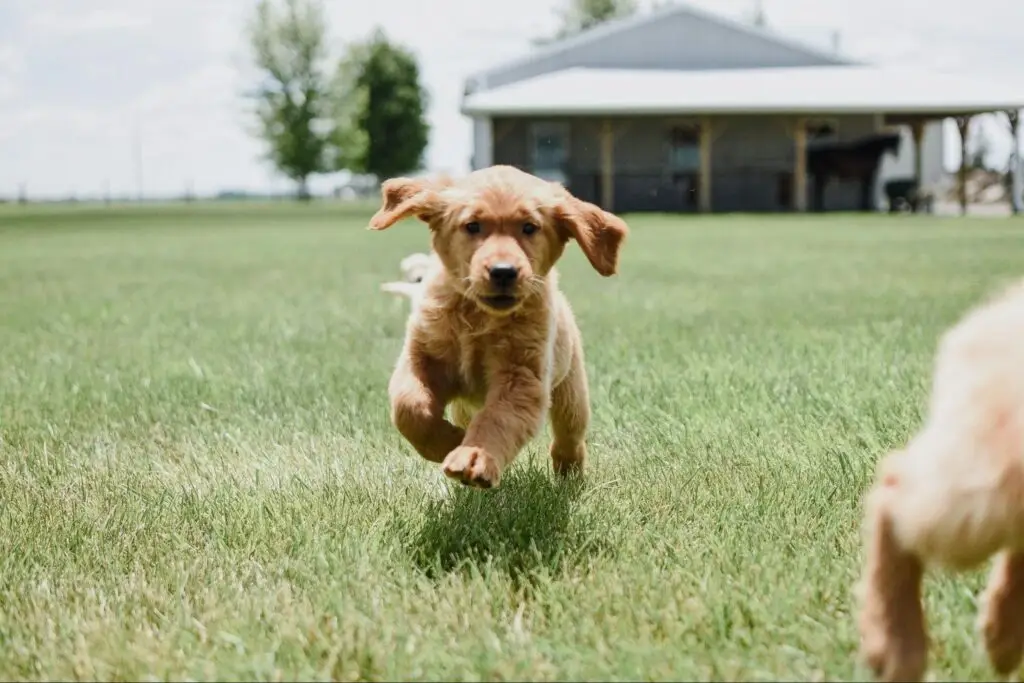
A little exploring or a short learning game can give your puppy something enjoyable to do between naps. Follow their interest and offer breaks. If they seem sore or unwell, check with your vet before adding activity.
Try a Short Sniffing Outing
Pick a quiet spot and let your puppy set the pace. Give them time to investigate a smell or watch something new. Even a familiar route offers plenty to discover, so keep the outing short and the trip home easy.
Practice One Easy Skill
Try responding to their name, touching your hand with their nose, or taking a few steps beside you. Reward their efforts and finish while they’re still comfortable and interested. A few small successes make a good session.
Turn Mealtime Into a Little Search
Put some of your puppy’s usual food in an easy, puppy-suitable puzzle feeder or snuffle mat. Stay nearby while they explore, and count that food toward their daily meals. If they seem frustrated, simplify the search. Put the equipment away if they start chewing it.
Keep Play Gentle
Choose a suitable toy and a surface with good grip. Pause regularly and let your puppy decide whether to join in again. Use those breaks to check how they’re moving and whether they seem ready to rest.
Make Room for Naps
Give your puppy a comfortable place to settle away from lively children or other pets. Their usual bed, pen, or crate can work well if they already feel relaxed there. Leave quiet stretches in the day so they have time to sleep between activities.
Build a Routine Your Puppy Can Grow Into
Getting to know your puppy’s pace takes time. Notice what they enjoy and how they settle afterward, then make small adjustments as they grow. Your vet can help you decide when they’re ready for more.
If you’d like help fitting walks into the week, tell Boston’s Best Dog Walkers about your puppy and their routine. We can talk through the available options together.