
Dog walking for senior dogs is safest when the routine follows the dog’s current comfort and stamina. Shorter outings, slower pacing, familiar routes, and plenty of time to sniff can help older dogs remain active while making each walk easier to manage.
A safe senior walking routine should account for:
- Pace: Let your dog set a comfortable speed instead of encouraging them to keep up.
- Walk length: Shorter, more frequent walks may be easier to recover from than one long outing.
- Route conditions: Choose familiar paths with even surfaces, manageable inclines, and places to rest.
- Recovery: Watch for stiffness, hesitation, or unusual fatigue during the hours after each walk.
If keeping that routine consistent is difficult, solo dog walks from Boston’s Best Dog Walkers provide focused attention based on your senior dog’s individual needs.
Keep reading to learn how to adjust pacing, routes, weather conditions, and recovery time as your dog gets older.
Why Walking Senior Dogs Feels More Challenging Over Time
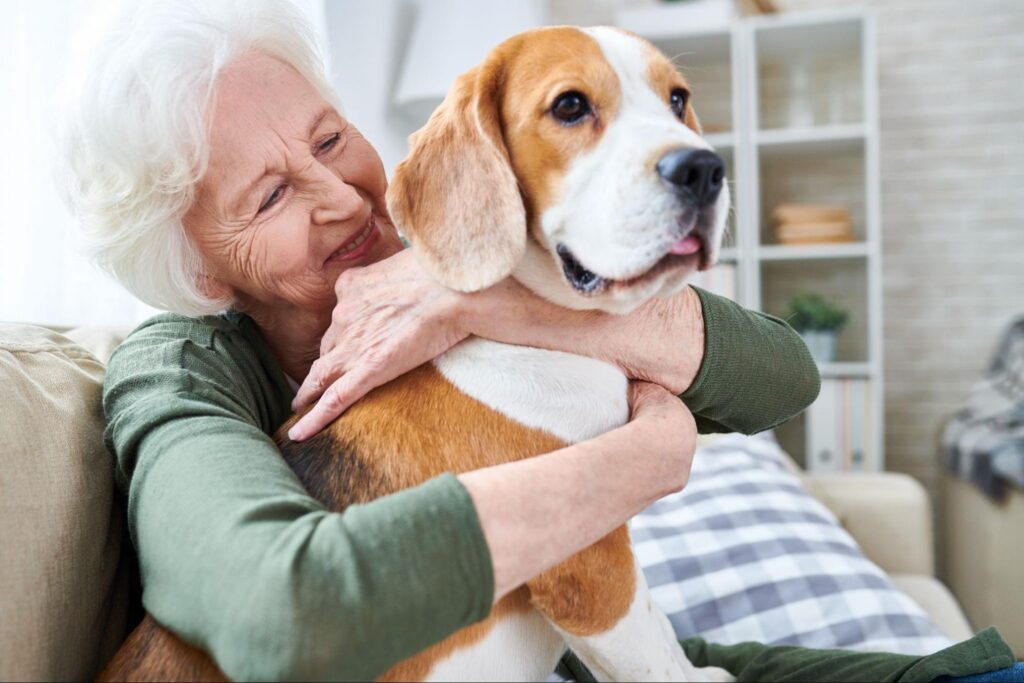
Walking a senior dog is less about covering distance and more about managing comfort, recovery, and subtle physical changes. What once felt routine can quickly become unpredictable without the right adjustments. As dogs age, their needs can shift in ways that are easy to miss. Recognizing those changes can help you adjust the walk and notice when a veterinary check may be needed.
Recovery Can Become the Limiting Factor
Senior dogs are often willing to keep going, even when their body is nearing its limit. The real impact shows later through stiffness, slower movement, or reluctance to walk again.
This delayed feedback makes it harder to judge the right amount of activity.
Energy And Stamina Become Inconsistent
Unlike younger dogs, senior dogs may have good days followed by sudden low-energy days. This inconsistency makes it difficult to maintain a fixed walking routine, requiring constant small adjustments based on how your dog feels that day.
Physical Discomfort Is Not Always Obvious
Pain in senior dogs can appear through subtle changes. Slower turns, hesitation at curbs, or unusual lagging may be signs of discomfort.
Because these changes can have several causes, recurring or worsening mobility problems should be discussed with your veterinarian.
Slower Pace Changes Walk Expectations
A reduced walking speed shifts the purpose of the walk entirely. Instead of exercise-focused outings, walks become about gentle movement and mental engagement. This change can feel frustrating if expectations are not adjusted accordingly.
Environmental Risks Have Greater Impact
Surfaces, weather, and obstacles affect senior dogs more than younger ones. Slippery sidewalks, uneven terrain, or extreme temperatures may be harder for an older dog to manage, making route selection and timing more important. When these factors are understood and managed properly, senior dog walks become more predictable and far less stressful.
The next step is learning how to adjust pace, routes, and daily routines so your dog stays comfortable without sacrificing consistency.
How To Adjust Walks For Senior Dogs Safely
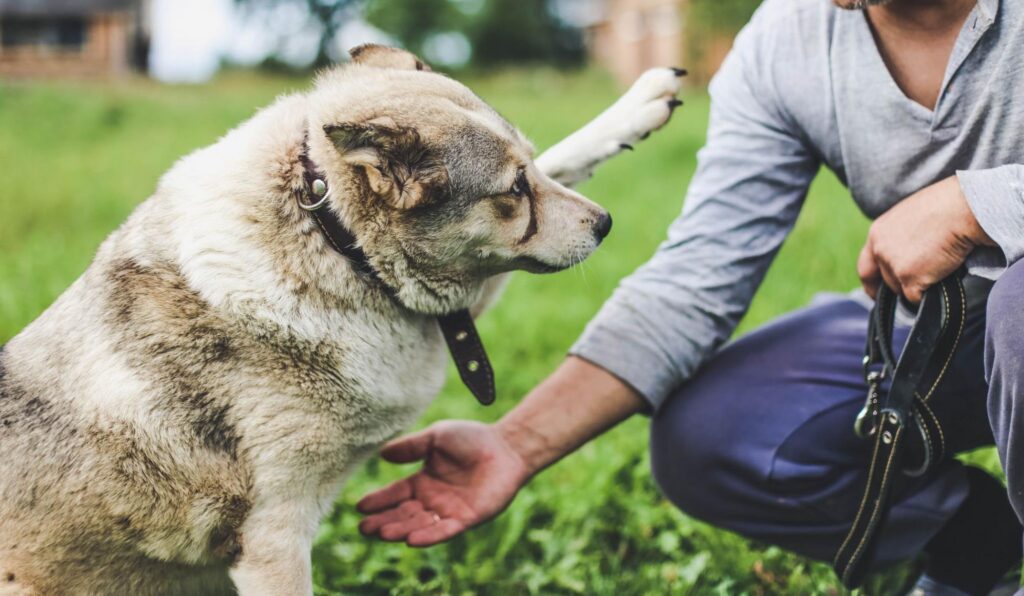
Once you understand why senior walks feel more challenging, the next step is making practical adjustments that match your dog’s current ability. Adjust one part of the routine at a time so you can see how your dog responds.
Aim for walks your dog can manage comfortably and recover from by the next day. Simple, repeatable adjustments make it easier to compare their response from one outing to the next.
Build A Clear Walking Baseline
Before making changes, consider what your dog currently handles comfortably and any limits your veterinarian has recommended.
Tracking simple details like pace, pauses, and recovery helps you identify patterns, so adjustments are based on real observations instead of guesswork.
Check How Your Dog Recovers by the Next Day
Your dog’s behavior later that day and the following morning can offer useful feedback about how well they tolerated the walk. Increased stiffness, slower movement, or reluctance to go out again may mean the duration, pace, or terrain needs to be adjusted. Repeated or worsening changes should be discussed with your veterinarian.
Shorten Walks And Increase Frequency
Many senior dogs tolerate shorter, more frequent outings better than one long walk, although the right schedule depends on the dog’s health and mobility. For dogs with osteoarthritis, VCA Animal Hospitals recommends frequent, short walks and gradual increases when activity does not cause additional stiffness.
Choose Safer And Simpler Routes
Flat, predictable routes with good traction may be easier to navigate and can reduce the chance of slipping. Cornell University College of Veterinary Medicine recommends choosing easy paths and adjusting the distance and difficulty to the dog’s current capabilities.
Turn Back Before Fatigue Starts
Ending the walk before your dog becomes noticeably tired can help reduce the chance of overexertion. Turning back early may help you avoid a difficult return and make it easier to judge an appropriate distance for the next outing.
When these adjustments become part of your routine, senior walks feel less uncertain and more manageable. The next step is understanding how regular, well-paced walks continue supporting your dog’s long-term health and comfort.
How Daily Walks Support Senior Dog Health Over Time
Regular walks for senior dogs should match the dog’s current mobility, comfort, and veterinary guidance rather than focus on intensity. Even shorter outings can provide gentle movement, mental engagement, and a familiar daily routine.
The goal is to provide an appropriate level of activity while watching how your dog responds during and after each walk.
- Joint Mobility Support: Controlled, regular activity can be part of a veterinarian-guided mobility plan and may help some dogs manage stiffness and maintain strength.
- Manageable Activity: Short, repeatable outings make it easier to adjust the pace and distance around your dog’s daily comfort and recovery.
- Bathroom Routine: Regular outings give older dogs dependable opportunities to relieve themselves without waiting too long between trips outside.
- Daily Structure: A familiar walking schedule can give senior dogs a predictable part of the day even when their pace or distance changes.
- Mental Engagement Through Sniffing: Time to sniff gives older dogs sensory enrichment without requiring them to cover a long distance.
- Useful Observation: Consistent walks give owners and walkers regular opportunities to notice changes in gait, energy, breathing, or willingness to move.
When the routine matches the dog’s abilities, walks can remain a useful source of movement, enrichment, and observation. From here, the focus shifts to avoiding common mistakes that can undo this progress and lead to unnecessary setbacks.
Common Mistakes To Avoid When Walking Senior Dogs
Some senior-walking setbacks begin with well-intentioned choices that ask more of the dog than they can comfortably manage that day. Avoiding them helps keep walks safe, consistent, and easier for your dog to recover from.
- Weekend Overcompensation: A much longer walk after several low-activity days may contribute to stiffness or discomfort afterward.
- Missing Early Fatigue Signs: Continuing after unusual slowing, hesitation, or lagging may push the walk beyond what your dog can comfortably manage.
- Chasing Distance Goals: Focusing on covering more ground instead of comfort often results in overexertion and poor recovery.
- Inconsistent Walking Routine: An irregular schedule can make it harder to compare your dog’s comfort and recovery from one outing to the next.
- Choosing Difficult Terrain: Steep, uneven, or slippery routes may increase physical strain or the chance of a fall.
- Delaying Turn Back Decision: Waiting too long to head home often leads to slow, uncomfortable returns and next-day stiffness.
Reducing these mistakes can make senior walks easier to manage and give you clearer information about what your dog tolerates comfortably.
When to Stop the Walk and Contact Your Veterinarian
Stop the walk if your dog develops sudden limping, unusual weakness, disorientation, or difficulty continuing comfortably. Contact your veterinarian about new or recurring mobility changes.
Difficulty breathing or collapse can signal an emergency. Cornell University College of Veterinary Medicine advises taking a dog showing signs of respiratory distress to the nearest emergency animal hospital.
Bottom Line: How to Walk Senior Dogs the Right Way

Walking senior dogs means adapting the routine to what your dog can comfortably handle today. When walks are adjusted correctly, a few key elements make the biggest difference:
- Consistent, Manageable Walks: Support regular movement while staying within the limits recommended for your dog.
- Safe Route Selection: Predictable surfaces and good traction can make the walk easier to manage.
- Professional Walking Support: Solo walks can provide individual pacing, observation, and a consistent routine.
Together, these elements can create a routine that better reflects your senior dog’s current comfort and mobility. Give your senior dog consistent, one-on-one care at a pace that works for them. Explore solo walks from Boston’s Best Dog Walkers.