
Exercise needs vary by dog breed: a Chihuahua may need about 30 minutes a day, while a Border Collie may need two hours or more. Walks and suitable play can share that time. Your dog’s age, health, and fitness help determine how much activity they can comfortably handle.
Here’s what to keep in mind when planning your dog’s day:
- Spread exercise across several outings, with time to sniff and rest.
- Match the activity to your dog: retrieving, exploring, or learning a new skill can each have a place.
- Build from what your dog already handles comfortably, and watch how they move afterward.
- Use a gentler, individualized plan for puppies, seniors, and dogs with breathing or mobility problems.
At Boston’s Best Dog Walkers, we want your dog to have a day with things to look forward to, whether that’s investigating a favorite tree or heading out for a longer adventure. Understanding their breed is one useful place to start.
Daily Exercise Needs by Dog Breed
The chart below brings together guidance from PDSA, a veterinary charity. The numbers describe total daily exercise for healthy adult dogs, divided into suitable sessions. They’re breed guidance, so adjust for your dog’s fitness, medical needs, and comfort. The activity ideas are examples.
Breed | Daily exercise guidance | Activities to try |
Chihuahua | At least 30 minutes | Short walks and gentle play |
Miniature Schnauzer | Around 1 hour | Walks with sniffing and games |
Cocker Spaniel | At least 1 hour | Exploring, retrieving, and walks |
Greyhound | About 1 hour | Walks and suitable enclosed running |
Border Collie | At least 2 hours | Several outings plus training and games |
Labrador Retriever | Individualized; needs substantial activity | A mix of walks, retrieving, and searching |
Breed guidance sources: Chihuahua, Miniature Schnauzer, Cocker Spaniel, Greyhound, Border Collie, and Labrador Retriever.
A slower sniffing walk and a lively game of fetch take different amounts of effort, even when they last the same number of minutes. Leave room for both movement and exploration, and build in breaks.
How Breed Can Shape Your Dog’s Favorite Activities
Breed history can offer clues about what your dog finds rewarding. Their own preferences matter too. A Labrador who loves carrying a toy home and one who would rather investigate every shrub can both have a satisfying outing.
Herding Dogs: Pair Movement With Something to Learn
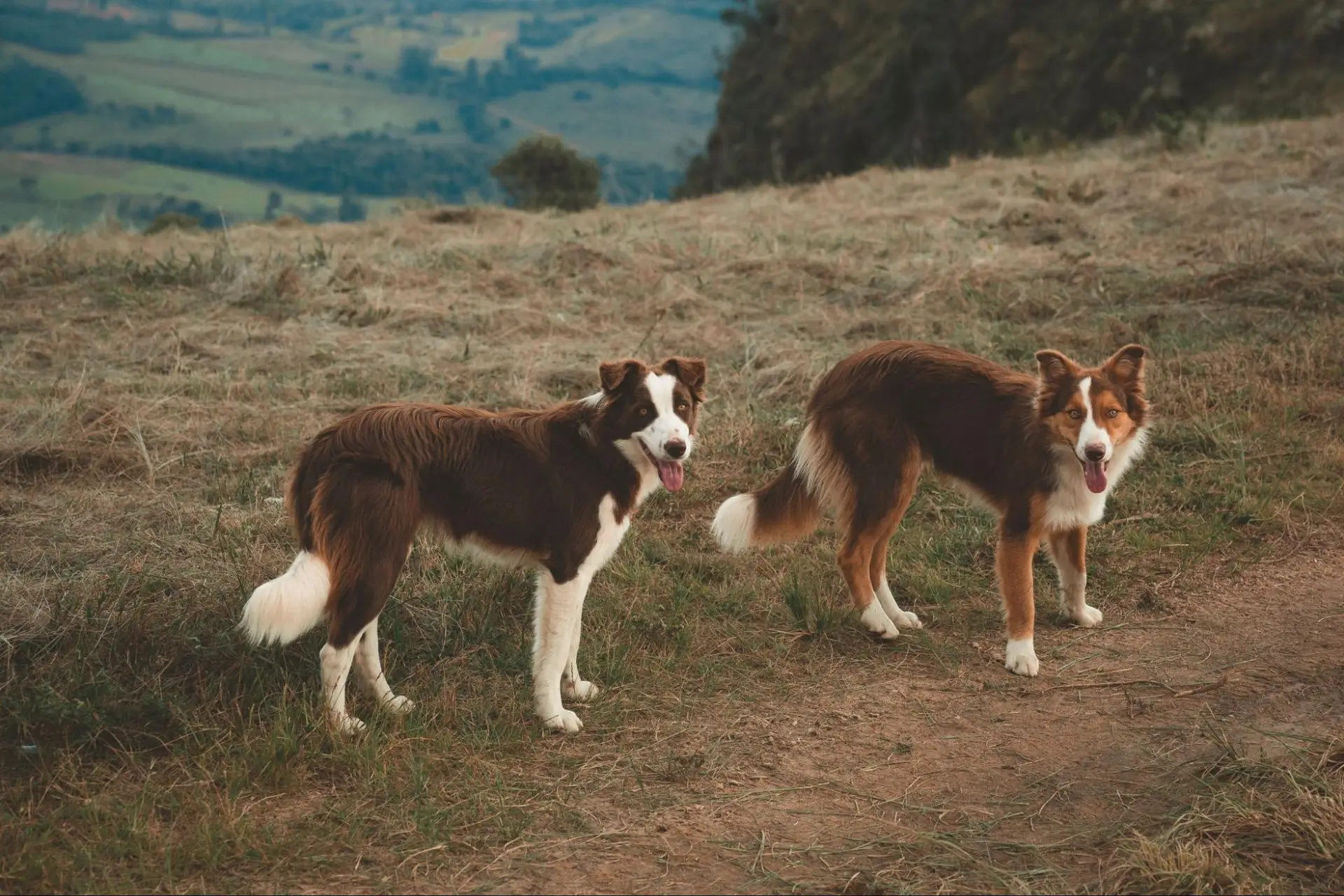
Border Collies often need plenty of daily activity alongside opportunities to use their brains. PDSA recommends spreading their exercise across the day and adding training and games.
Try a walk with a few brief stops to practice a familiar cue, then let your dog return to sniffing. At home, teach them to find a favorite toy or practice putting it in a basket. Keep the task achievable, and finish with time to settle.
Sporting Dogs: Make Room for Retrieving and Exploring
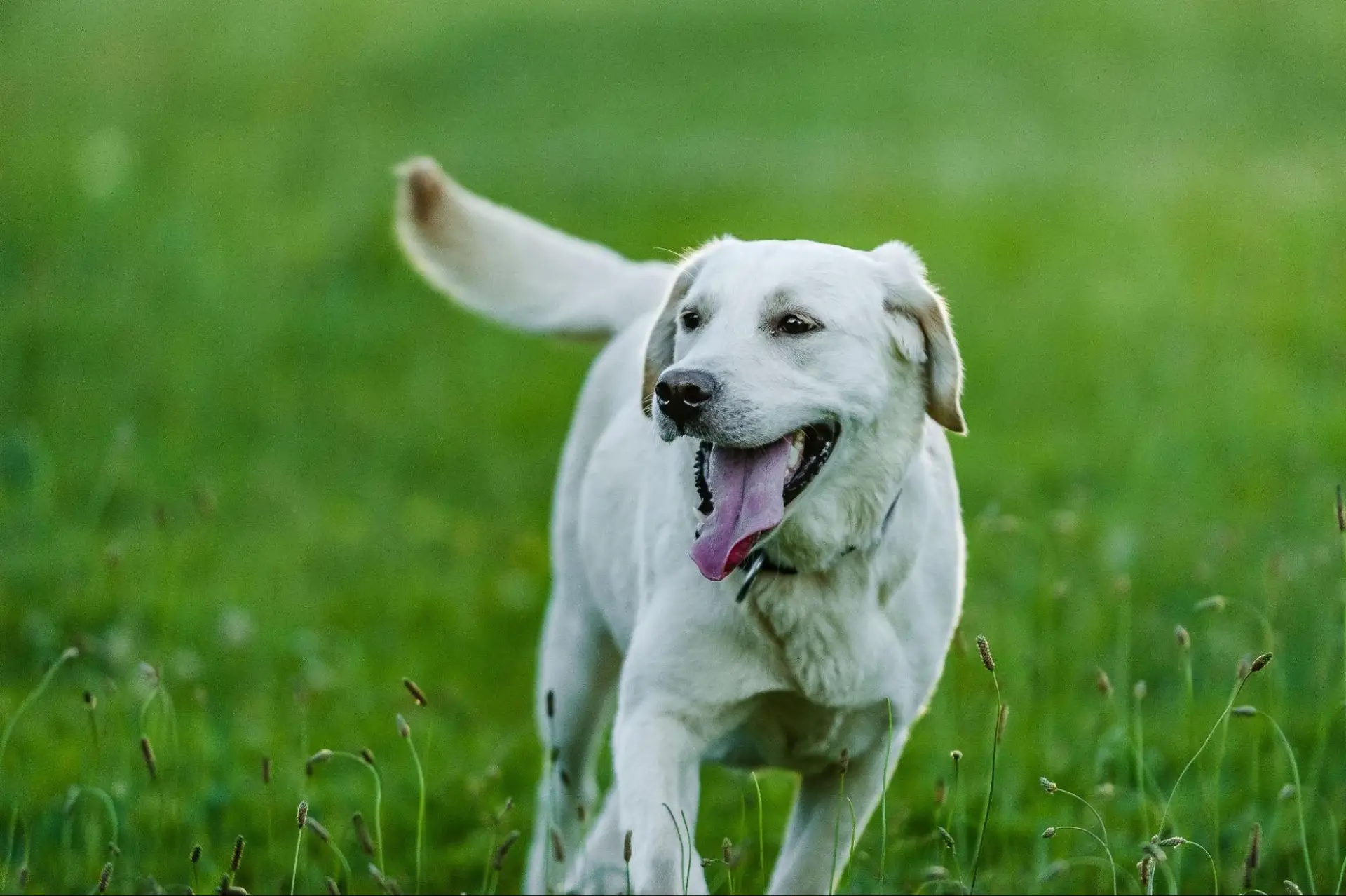
Labradors and spaniels may enjoy activities that let them search, carry, and retrieve. PDSA’s current Labrador guidance emphasizes a varied routine tailored to the individual dog, rather than a fixed daily number.
If your dog likes retrieving, try a few short throws along the ground with pauses between rounds. For a dog who prefers their nose to a tennis ball, hide a toy in an easy spot and invite them to find it. Include regular walks so the day offers a change of scene.
Small Dogs: Give Them Their Own Time to Explore
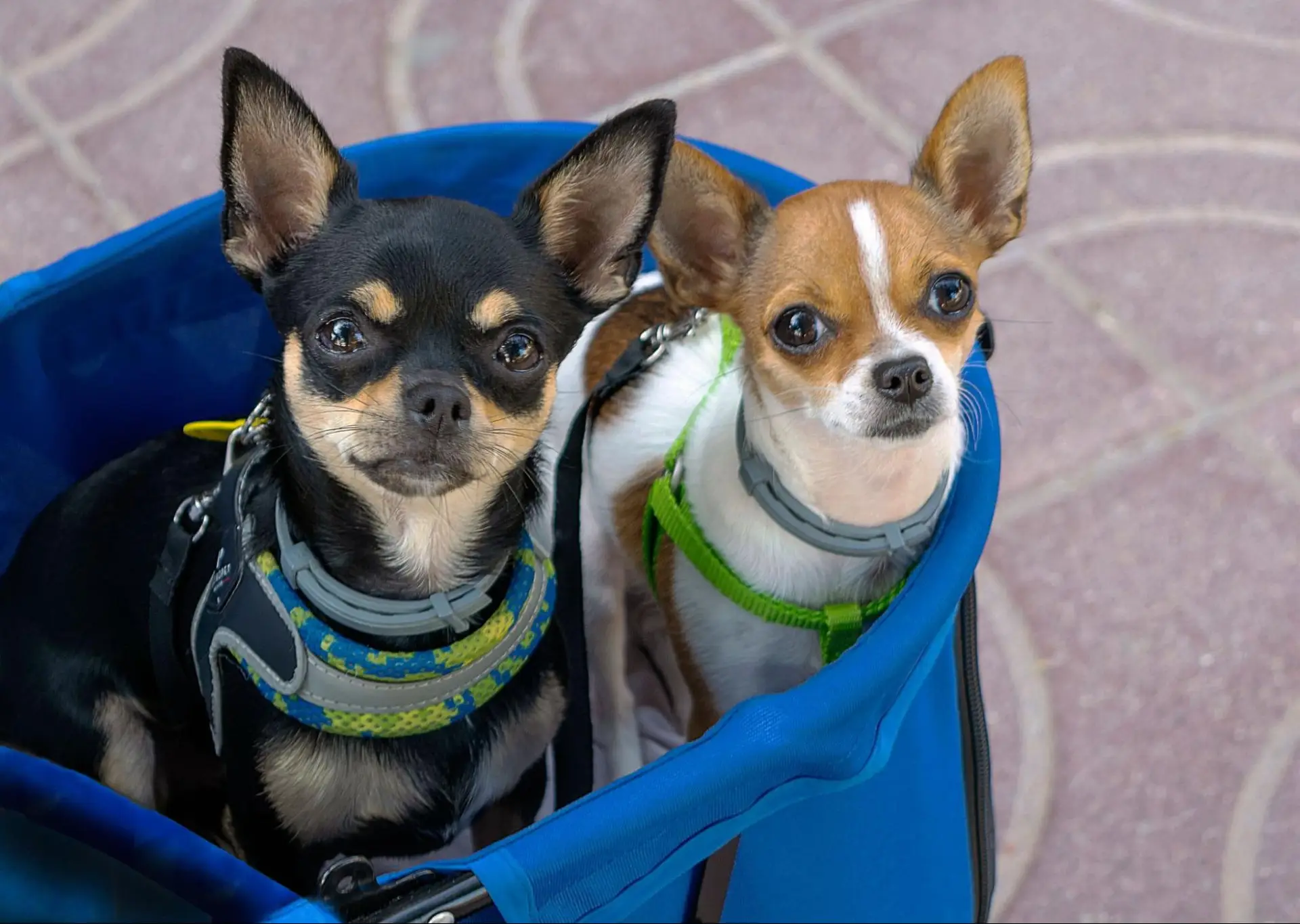
A small dog can have a busy little agenda outdoors. Give them time on the ground to follow smells, choose a comfortable pace, and investigate the neighborhood.
Size alone won’t tell you how much exercise to plan. PDSA’s examples range from around 30 minutes for a Chihuahua to around an hour for a Miniature Schnauzer. Let your dog’s stamina help you decide how to divide that time.
Greyhounds: Athletic Looks Don’t Mean Endless Miles
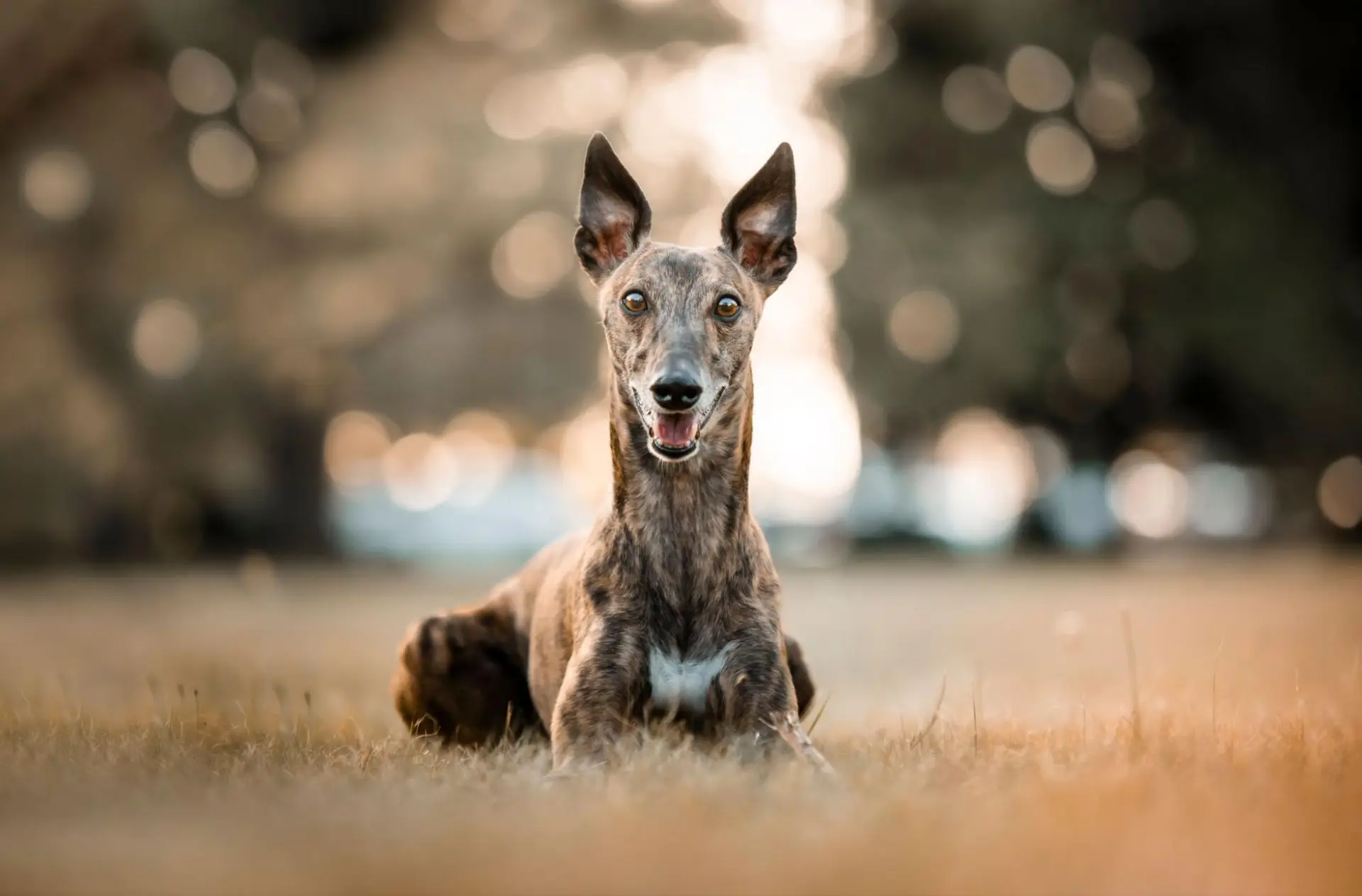
PDSA describes Greyhounds as needing about an hour of daily exercise. Regular walks can form part of that routine, with opportunities for suitable running in a securely enclosed area.
Keep walks leashed outside secure spaces. Greyhounds can have a strong chase instinct, so an open field is a poor substitute for a properly enclosed exercise area.
Flat-Faced Dogs: Plan Around Comfortable Breathing
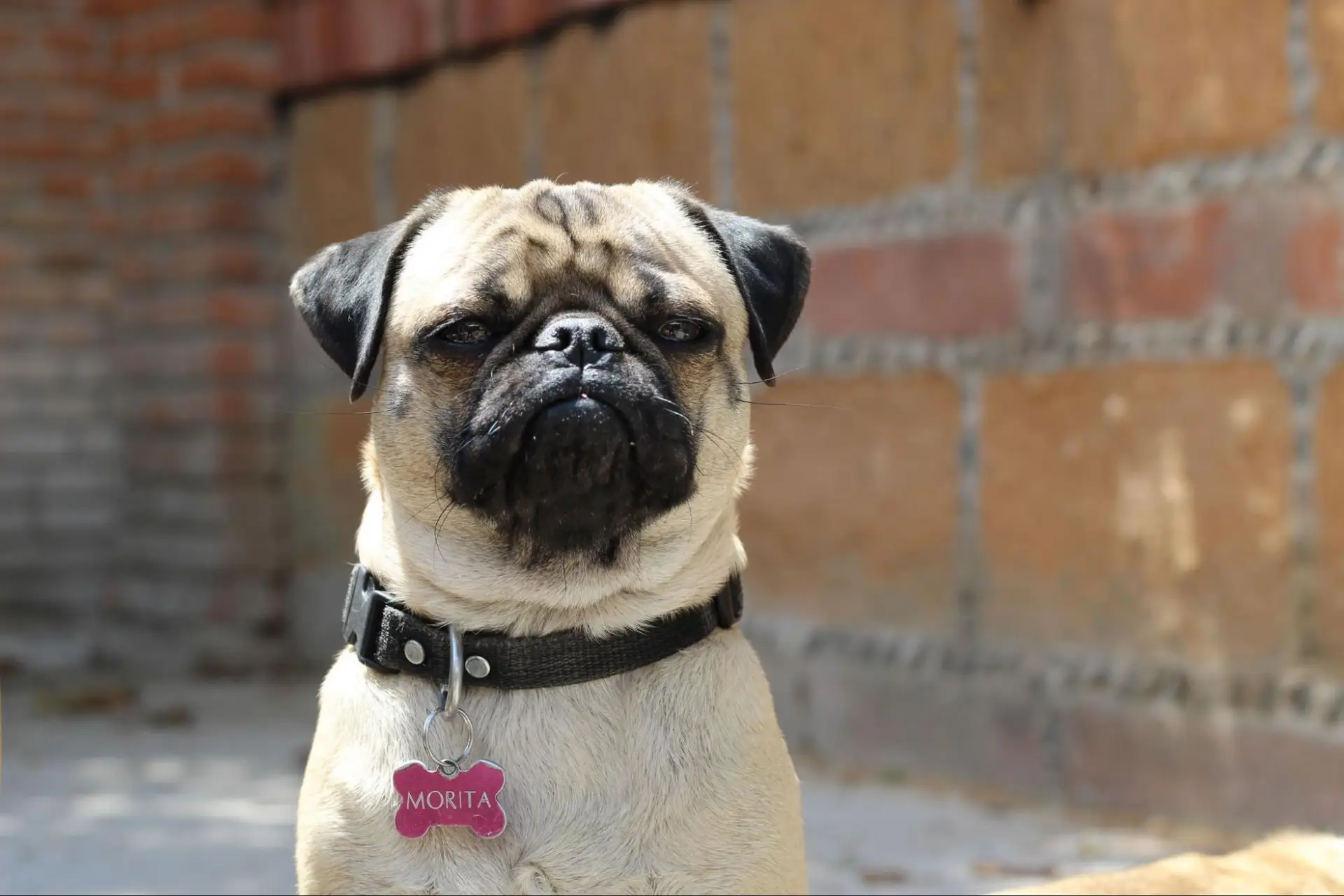
French Bulldogs, Pugs, and other flat-faced dogs need particular attention to breathing and temperature. Veterinary guidance from VCA explains that their conditioning needs differ from those of longer-muzzled dogs.
Choose gentle outings at cooler times, stay close enough to return easily, and pause regularly. If your dog has noisy or labored breathing during ordinary activity, ask your vet to assess it before extending their walks. PDSA’s heatstroke guidance explains why flat-faced dogs are especially vulnerable to overheating.
What If Your Dog Is a Mixed Breed?
Start with the dog beside you. Note which walks they comfortably finish, what kinds of play they choose, and how they move later that day and the next morning. Known breed ancestry can suggest activities to try, but it won’t give you an exact minute target.
For a newly adopted dog, begin with manageable, quiet outings while you learn their routine. Add a little time or a new activity gradually, keeping the rest of the day familiar so you can see how they respond.
Adjust Exercise for Age, Health, and Weather
A growing puppy and an older dog can share a breed and need very different days. VCA’s exercise guidance recommends gradual conditioning and activity choices suited to age, body condition, and health.
- Puppies: Offer short exploring trips, gentle play, and plenty of sleep. Let them set the pace, and discuss readiness for running or long hikes with your vet. Our guide to overexercising a puppy explains how play and walks add up.
- Senior dogs: Keep regular movement in the day, using easier routes and shorter outings when needed. Have new stiffness or a reluctance to walk checked, so pain can be addressed.
- Dogs with medical needs: Use your vet’s plan for recovery, arthritis, breathing problems, or weight management. Build fitness gradually instead of jumping to a breed’s suggested total.
- Warm or humid days: Choose cooler hours, shorten the route, and take water. When conditions are too hot for a comfortable outing, keep outdoor bathroom trips brief and offer gentle activities in a cool room.
In Boston, the same route can feel very different from one season to the next. Choose an outing your dog can handle comfortably in today’s conditions, and leave the longer adventure for another day.
Turn Breed Guidance Into a Workday Routine
Once you know what your dog comfortably handles, give those activities a regular place in the day. For example, a healthy adult Cocker Spaniel already comfortable with an hour of exercise might have a 20-minute morning walk, a 20-minute midday walk, and a 20-minute evening outing, plus separate play and learning time.
That’s an example schedule. A working-line Cocker may need a different plan, while an older dog with sore joints may need much shorter sessions. Our guide to choosing a dog’s walk length can help you think through each outing.
Make the routine easy to share with anyone caring for your dog. Include their usual route and pace, favorite sniffing stops, any exercise restrictions, and how they tend to feel afterward.
If midday is the difficult slot, our dog walking services include solo and group options. A solo walk gives your dog individual attention; a group walk may suit a dog who is comfortable walking with others. Tell us about their usual routine so we can discuss a suitable fit.
Watch How Your Dog Feels During and After Activity
Look for comfortable movement, interest in the outing, and a return to their usual behavior afterward. You’re getting to know what a good day looks like for your dog.
If they’re still looking for something to do, try adding a short sniffing or learning activity and review the whole day. Barking, chewing, and restlessness can have several causes, so those behaviors alone can’t tell you that your dog needs a longer walk.
If your dog slows repeatedly, stop for a break and shorten the outing. Contact your vet about limping, new stiffness, or unusual fatigue. Trouble breathing or collapse needs emergency veterinary care. For suspected heatstroke, begin cooling with water while arranging urgent veterinary help.
Find a Routine Your Dog Looks Forward To

The best part of learning your dog’s pace is noticing what makes an outing worthwhile for them. It might be a longer morning walk, a little retrieving, or enough time to give that interesting patch of grass a proper investigation.
If you’d like help fitting regular outings into your week, contact Boston’s Best Dog Walkers. Tell us about your dog’s age, energy, favorite activities, and current routine. We’ll talk through care options that suit them.